
1. Is you rent at market rate?
Maybe you have tenants that stuck around for a long time (which is great!) Maybe you got your property appraised few years ago and hasn’t had a chance to think about it again. Whatever the reason, it’s never a bad idea to do your research to make sure that your property rent is at market rate. You need to make sure you rent is still reasonable but that’s also on par with other rental homes on the market. If you don’t keep up with market changes and leave it for too long, it can be very hard to propose a big jump in rent to your current tenants even it’s justified.
2. Considering renting your property furnished.
Depending on your property location, size and your target audience, it could be a good idea to consider renting your property furnished. If your apartment or house is in close proximity to university, polytech or in the middle of business district, you may be naturally attracting students and single professionals. These tenants tend to prefer furnished rental options as they only require them for a limited time. They normally are also willing to pay extra for this convenience.
3. Making your property pet-friendly
With the new rules making it easier for tenants to keep pets, landlords who adapt stand to benefit the most. By making your property pet-friendly, you can attract a wider range of applicants, reduce vacancy times, and even improve your returns.
Research shows that tenants with pets often stay longer and are willing to pay more (around $20 extra per week on average) for a suitable home. Simple changes like adding secure fencing, using durable flooring, or clearly outlining pet conditions in your tenancy agreement can help make your property stand out.
4. Consider renting by a room
Without a doubt this option will create more work for you. But it’s a good way to increase your returns by earning more revenue. Renting by room can also help to make rental income more reliable because it minimises associated with having vacancies.
5. Manage property yourself
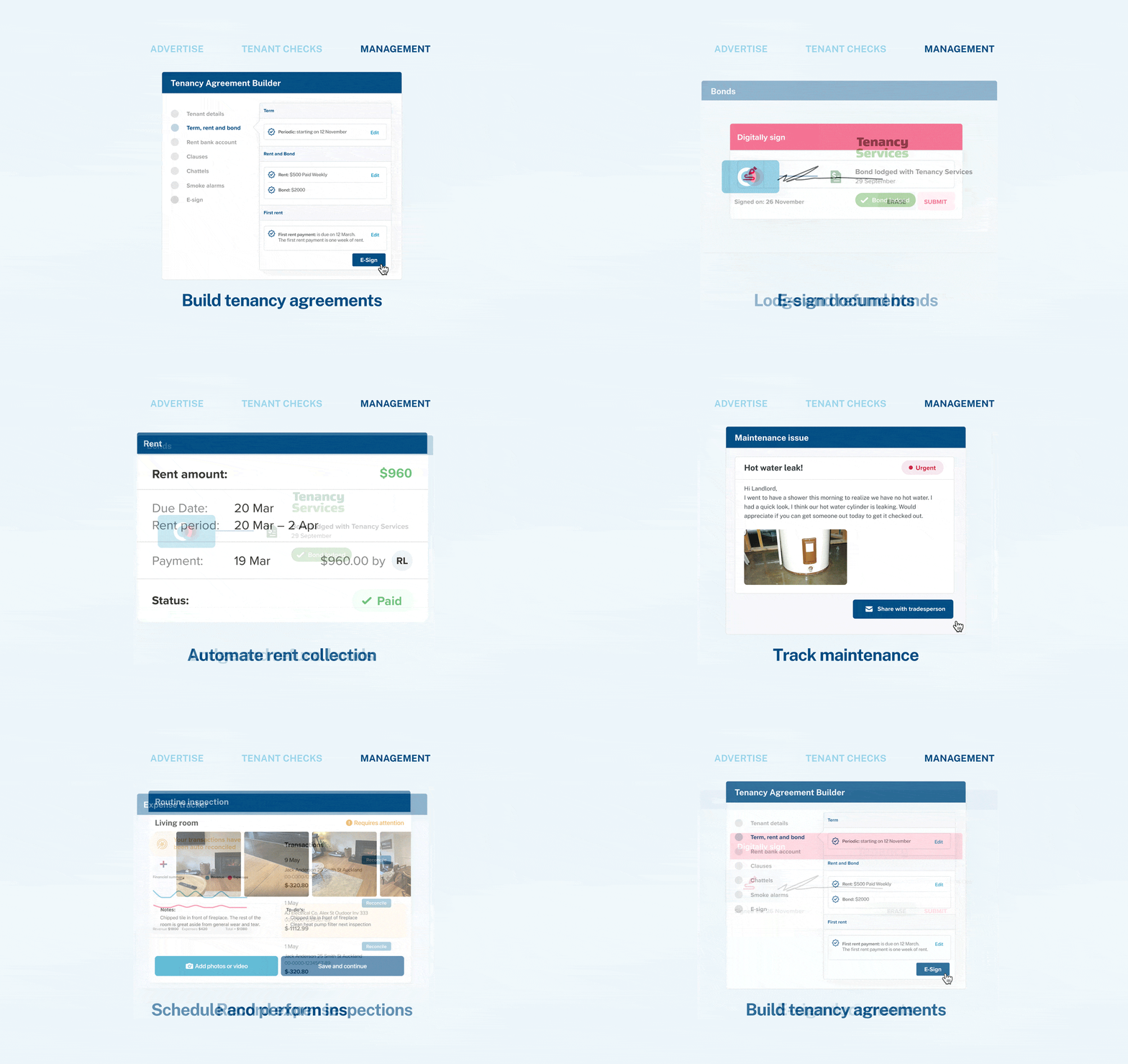
Property management fees will be one of your biggest expenses. An average property manager charges anywhere between 7-9% of your rental income. Yes, you can hire a property manager to save yourself time and delegate some work. But you can never delegate the responsibility - if the roof blows off they are going to call you up and say "What do we do now?" To make self-management option less scary, you can consider using professional property management software like myrent.co.nz. For a small fee, you can access all the professional tools to manage your property but also gain control over your investment.
6. What about your own property?
To help you earn more money, consider renting out a room in your own property. You can find a permanent flatmate, rent a room to travellers on Airbnb or let your property when you’re away visiting family or holidaying. By doing so, you not only earn extra money but also be able to claim portion of the property expenses on tax.
Property investment is the numbers game, to stay on top of your finances and improve your cash flow it helps to think outside the square.