
Under the Residential Tenancies Act, tenants may now keep a pet if their tenancy agreement allows it or if the landlord gives written consent. Landlords can only refuse consent on reasonable grounds, and blanket “no pets” clauses are no longer permitted.
So, what should you do if you discover a tenant has a pet you haven’t approved?
Start with a conversation
Open, constructive communication is always the best first step. Arrange a time to discuss the situation with your tenant calmly. In many cases, the tenant may not have realised the new process for requesting consent or believed the pet was allowed.
If you can reach an agreement, put it in writing - clearly outlining any conditions (for example, cleaning requirements or outdoor-only rules) and whether a pet bond of up to two weeks’ rent will be required. Both parties should sign and date the agreement to avoid confusion later.
14-day notice to remedy
If your tenancy agreement specifically prohibits pets and you haven’t provided written consent, the tenant may still be in breach of the agreement.
If self-resolution doesn’t work, you can issue a 14-day notice to remedy. This gives the tenant formal notice of the breach, how they can fix it, and how long they have to comply.
If the matter isn’t resolved, you may apply to the Tenancy Tribunal for a ruling.
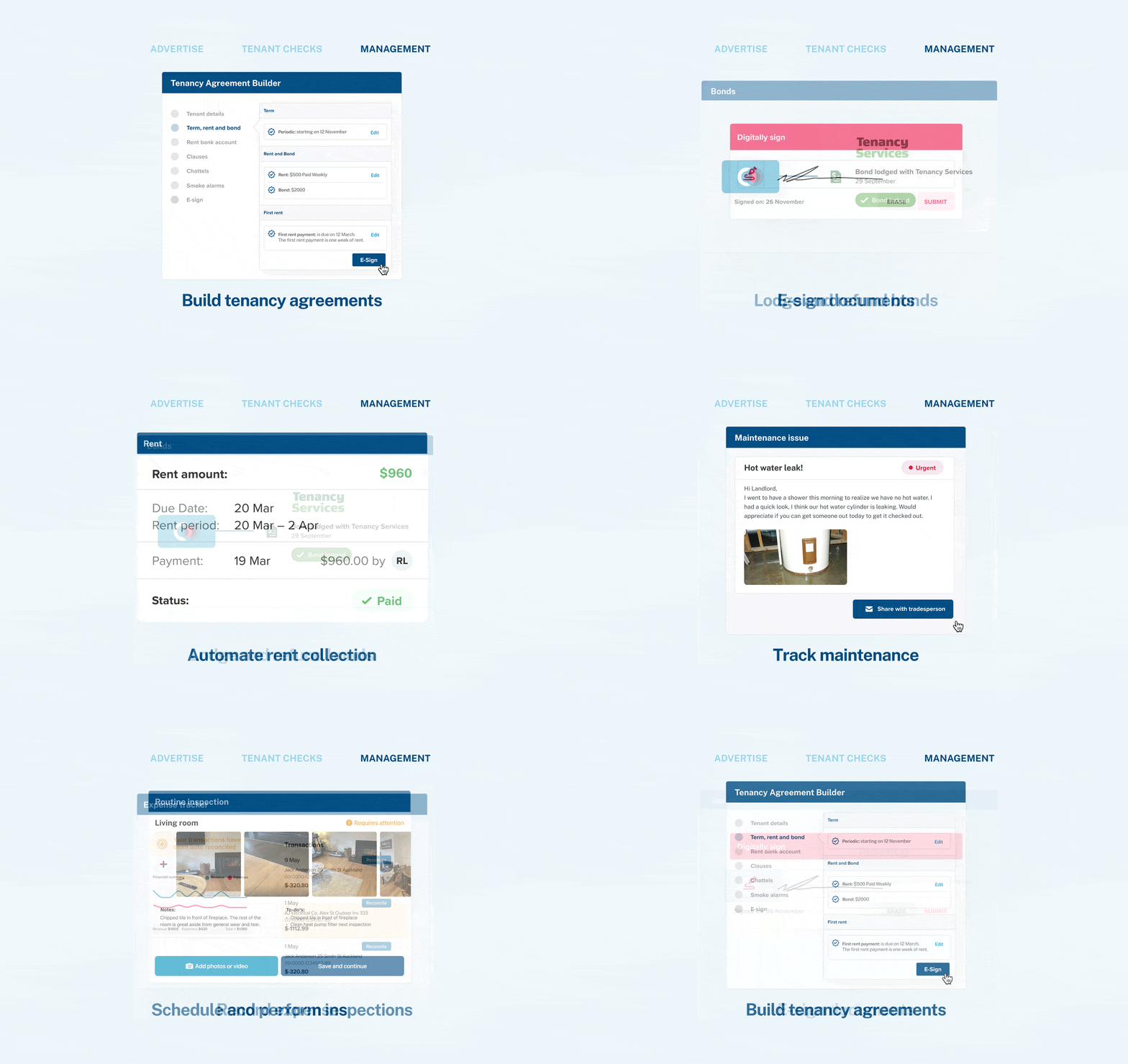
If you're using myRent for management, then you can create this notice on the platform.
You can find a Notice to Remedy template here
Consider a change of policy
With around 60% of Kiwi households owning pets — and new laws designed to make pet ownership easier — it’s important for landlords to rethink blanket restrictions.
From 1 December 2025, landlords must approach all pet requests on a case-by-case basis and can only decline permission if they have reasonable grounds (for example, body corporate rules, property unsuitability, or safety concerns).
A “pets considered” policy not only helps you stay compliant but can also attract a wider pool of tenants, reduce vacancy times, and encourage longer-term tenancies. You can still set fair conditions - such as requiring carpets to be cleaned at the end of the tenancy or requesting a pet bond of up to two weeks’ rent for additional protection.
The information contained in this article is exclusively for promotional purposes. It does not in any way constitute legal advice and should not be relied upon as the basis for any legal action or contractual dealings. The information is not, and does not attempt to be, a comprehensive account of the relevant law in New Zealand. If you require legal advice you should seek independent legal counsel. myRent.co.nz does not accept any liability that may arise from the use of this information.