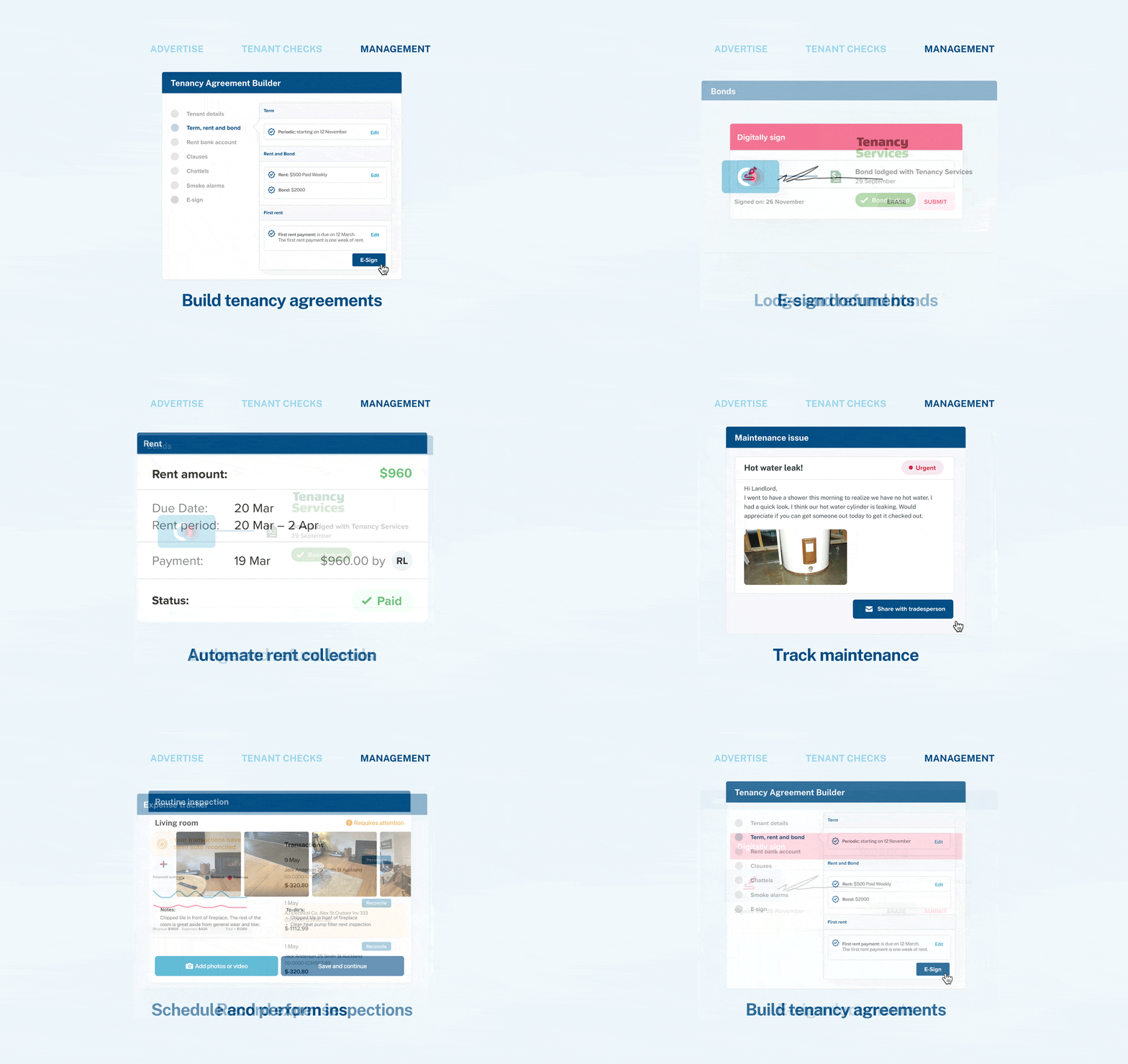

1. Tenancy Agreement.
Make sure you get a copy of the tenancy agreement that has been signed by your tenant and a property manager. As the landlord taking over, you will inherit the tenancy agreement, with all the original terms and conditions of that existing agreement.
If you're setting up the tenancy on myRent using our management software subscription, the dates you will enter for the agreement are the current agreement dates.
2. Do a change of landlord through Tenancy Services.
Whenever the landlord changes, the bond record must be updated. This now gets done through the Tenancy Services Bond Hub which you can learn more about here: https://www.tenancy.govt.nz/rent-bond-and-bills/bond/bond-hub/changing-a-landlord/
3. Rent records.
Your property manager/current landlord should provide rent records/rent books from the start of the tenancy. If there are any issues in the future and you need to apply to the Tenancy Tribunal to collect overdue rent, you would be expected to bring these records to the hearing.
4. The initial property inspection report.
Property inspections are important. Having a correctly filled-in report as part of a written tenancy agreement can be very useful evidence if problems or disputes arise later on. You may also want to check for any photographs, videos or copies of other routine inspection reports that your agent may have on record.
5. Copies of any other notices and Healthy Homes paperwork.
It’s crucial for landlords to keep all records about the tenancy. So, ask your agent for copies of all 14-day notices to remedy, copies of rent increase letters (at least the latest letter stipulating current rent) or any other correspondence with the tenant that you could need in the event of a Tenancy Tribunal hearing.
You will need a copy of the current Healthy Homes Compliance Statement and any other relevant Healthy Homes paperwork.
6. Maintenance records
You will want to get copies of the maintenance history and any current work orders
Check that you have a record confirming that smoke alarms were tested at the start of the tenancy, and their expiry dates.
7. Notify your tenants.
The current property manager must give the tenant notice in writing of the change. The notice must include the names of new landlords, contact details and the effective date of this change. It's a good idea to be copied in on this notice, or ask for a copy of it for your records.
8. Future rent payments
Contact tenants to introduce yourselves, explain where to make rent payments to and how best to contact you about future maintenance and repairs issue.
If the tenant is paying through WINZ, myRent offers the option to collect payments from WINZ as part of our hands free rent collection add on to the management software subscription or you’ll need to register as a Work and Income supplier to receive direct payments from WINZ.
9. Collect keys, remotes, manuals and codes.
Collect keys, remote controls and security alarm codes, if applicable. If new appliances were installed during the tenancy, collect warranties and all the manuals.
If you're planning to set this tenancy up on myRent using our management software subscription and need any help, please contact us.
The information contained in this article is exclusively for promotional purposes. It does not in any way constitute legal advice and should not be relied upon as the basis for any legal action or contractual dealings. The information is not and does not attempt to be, a comprehensive account of the relevant law in New Zealand. If you require legal advice you should seek independent legal counsel. myRent.co.nz does not accept any liability that may arise from the use of this information.